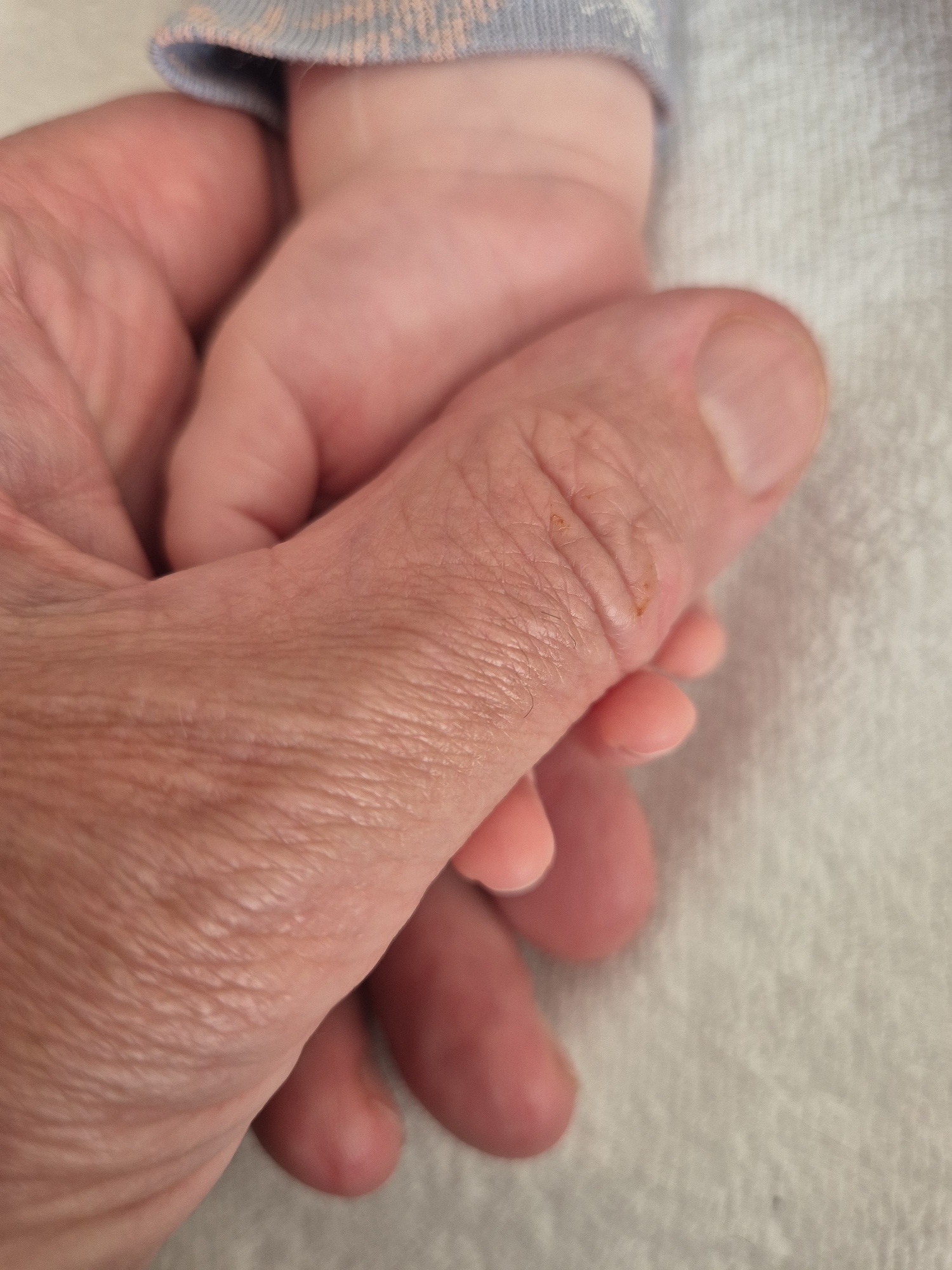

Give me the child for the first seven years, and I’ll give you the man.
St. Ignatius Loyola
Trauma is not what happens to you, but what happens inside you as a result of what happened to you.
Dr Gabor Maté
The personality formed in the environment of coercive control is not well adapted to adult life. The survivor is left with fundamental problems in basic trust, autonomy, and initiative. She approaches the task of early adulthood ― establishing independence and intimacy ― burdened by major impairments in self-care, in cognition and in memory, in identity, and in the capacity to form stable relationships.
Judith Lewis Herman
Just over thirty years ago, in 1995, Dr Robert Anda, a medical epidemiologist at the Centres for Disease Control and Prevention (CDC), discovered a pattern that challenged conventional medical thinking about chronic illness.
Working with Dr Vincent Felitti, head of preventive medicine at a Kaiser Permanente clinic in San Diego, Anda began investigating a question medicine had hardly considered: what if the roots of adult illness lay in the seedbed of early childhood experiences?
Felitti had first noticed that some of the most successful participants in his weight-loss programme for obese patients suddenly abandoned it. Investigating further, he discovered that many had experienced childhood sexual abuse. For some, excess weight had become a protective shield, a form of armour. Losing it meant confronting the vulnerability beneath.
His observations met staunch resistance. The medical profession was trained to treat biology, not biography, he was told. Childhood experiences, many believed, had no place in an adult medical record.
Undeterred, Anda and Felitti turned to epidemiology and mathematics, launching the Adverse Childhood Experiences (ACE) study.
Thousands of patients were asked whether, before the age of eighteen, they had experienced any of ten categories of adversity, and, if so, which. The defined categories were as follows: physical, sexual, or emotional abuse; physical or emotional neglect; domestic violence; substance abuse or mental illness in the household; parental separation or divorce; or the incarceration of a household member.
The participants were predominantly white, middle-class Americans with stable employment histories and comprehensive health insurance. This was deliberate: the researchers wanted to challenge the assumption that childhood trauma was principally a consequence of poverty or social disadvantage.
To their surprise, 9,508 of 13,494 people responded. Many even wrote to thank the doctors for finally asking questions that had previously been ignored.
The results were striking. Anda’s analysis revealed a clear dose-response relationship: the greater the number of adverse childhood experiences, the greater the risk of serious illness and premature death.
An ACE score of four or more was associated with a five-fold increased risk of chronic pulmonary disease, twice the risk of cardiovascular disease, and a thirteen-fold increased risk of attempted suicide. Those with six or more ACEs faced a life expectancy approximately twenty years shorter than those with none.
The findings fundamentally challenged conventional medical practice. Clearly, childhood trauma was not simply emotional suffering; it could have profound, measurable consequences for the developing brain, nervous system, and immune system, with lifelong repercussions for health, quality of life, and longevity.
After considerable resistance, the findings were finally published in May 1998, in the American Journal of Preventive Medicine. They exposed a truth medicine had long overlooked or even failed to consider; generations of doctors had been treating the symptoms of illness while neglecting some of its root causes.
Today, the ACE framework is used in healthcare, education, and related fields worldwide. Yet its implications remain far from fully integrated into medical practice.
Perhaps this reflects a deeper, collective denial of childhood trauma, including among members of the medical professions themselves. While progress has been made, much remains to be done.
The central lesson is profound: time does not necessarily heal childhood wounds. The body carries them into adulthood. Left untended, their effects often manifest in destructive ways. As Bessel van der Kolk reminds us, the body keeps the score.
Perhaps most insidious is the generational transfer of trauma. Untended wounds are passed down, and the sins of the fathers visited upon the next generation.
Yet the work first undertaken by Anda and Felitti offers hope: by acknowledging, addressing, and transcending our own trauma, we can halt the generational nature of family dysfunction for the greater good of future generations. We are faced with two stark alternatives: Transform, in our own lifetime, or transmit to the next generations.
Trauma is both collective and personal. It does not simply disappear. When denied, suppressed, or invalidated, it tends to come out sideways, with unintended destructive consequences.
Only when we penetrate the veil of denial, undertake the difficult inner child work of embracing and re-experiencing the original pain, and begin treating those wounds, can the healing begin.
Graphic Source: National Centre for Injury Prevention and Control, Division of Violence Prevention