
Control
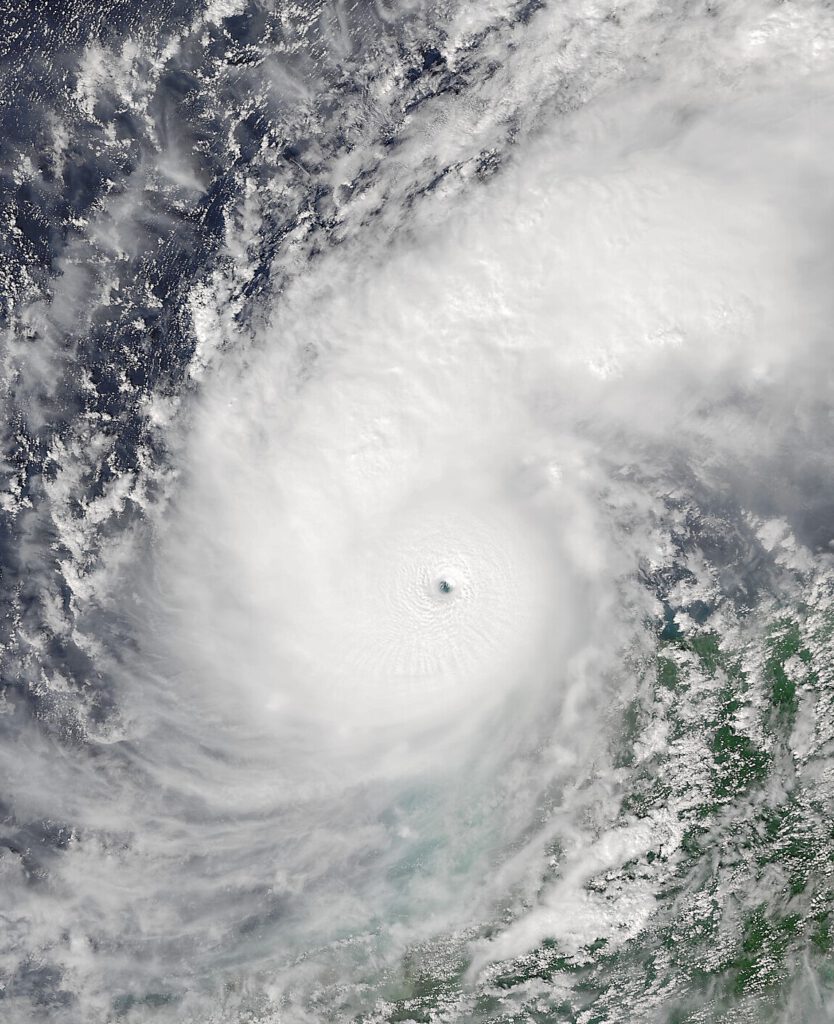
The whole concept of control is an illusion. Yet we keep this truth under wraps for long stretches of our lives as we move forward in autopilot. Only when we experience setbacks, – a loved one dies, a partner leaves us, our career plans crash, a book manuscript is rejected, an illness or accident knocks on the door, or we find ourselves in the grip of an addictive dynamic we cannot escape, etc. – are we summarily awakened to the reality of the unmanageability of life…
Daring To Love

Without uncovering, subsequently befriending, and tending this wound – the Greek word is trauma – we will be hampered in all subsequent efforts to establish intimacy in human relations. Because when we open our hearts completely, we are stepping into the unknown and giving another person access to the most vulnerable parts of ourselves. There is always a chance of getting hurt, rejected, ridiculed, humiliated, of being misunderstood, or abandoned, once again…
Primal Wounds
The reactivation of the wound can be best described using the following analogy: If, upon meeting a person, we firmly shake hands, and one or both of us has a tender, open wound in our palm, the encounter will be painful. The pain is not intentionally stimulated; it is a by-product of the encounter combined with a lack of awareness. It is not caused, per se, by the encounter; the cause lies in the fact that the already existing wound in the palm of the hand has not yet healed. Until it has, each new encounter will be painful…
Sun
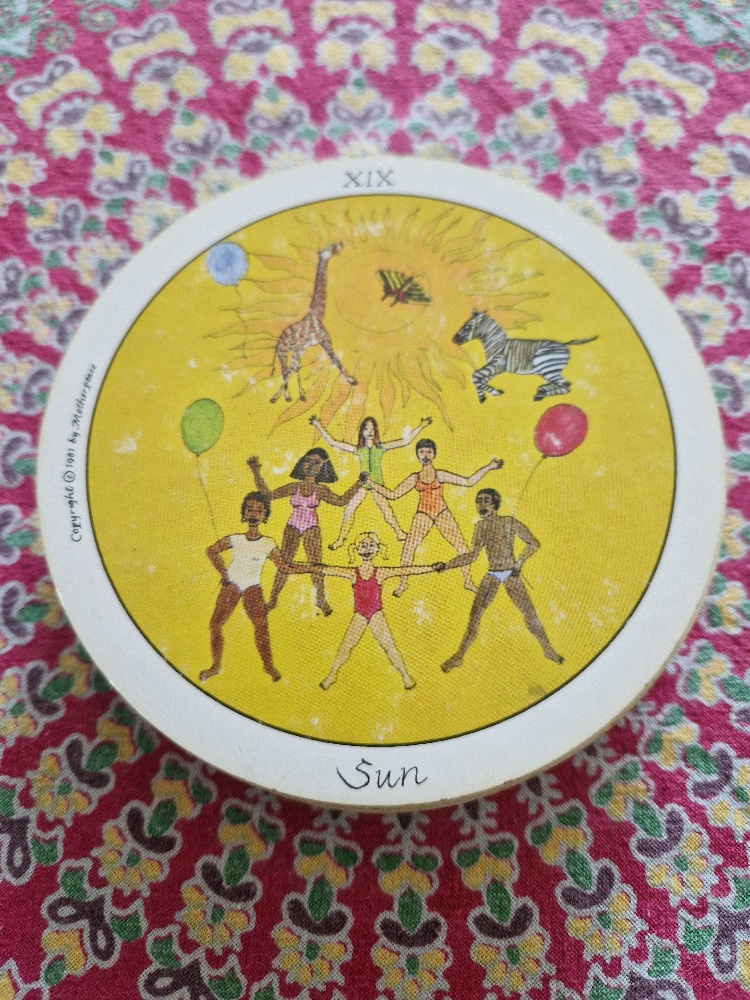
The dilemma is made up of two parts. Firstly, we have a mind that needs to drink and a body that can’t. Secondly, when we start drinking, we can’t stop, and when we stop, we can’t stay stopped. It’s a real Catch 22. We are caught up in what medical folks today call an `impulse control disorder´. We cannot think our way out of it, nor can the trap be sprung using willpower alone. As Einstein pointed out, the consciousness that created the problem cannot be consciousness that solves the problem. We need to go higher – in terms of frequency, – ergo `Higher Power´…
White Horse
We have inherited many patterns from our primitive ancestors, who, to survive, needed to be constantly on guard, for example when leaves rustled in the jungle. The reptilian part of our brain, that part which is concerned with survival and therefore fuelled by existential fear, can still be very much active today. In our energy fields, we also carry the collective fears and wounds (trauma) of our ancestors, the innumerable generations who have gone before us. As Richard Rohr points out: There are only two possibilities, transfer or transform. Due to a lack of awareness, the general pattern has been that of transferring the burden from one generation to the next, even adding to it as we progress…
Deep Roots

Most of us have not had a perfect childhood, with a mother and father who modelled ideal parental attitudes and taught us to the basics of self-love. Our parents did not have such modelling themselves and so had to improvise as they went along. In my case, both had come from very large families where the stresses and tensions of unresolved childhood trauma pervaded the familial energy field. My impression, formed very early on, was that I had arrived as an added burden, that it was essential not to compound the already existing load my parents were carrying…
Connection
The Merriam definition of the word connection: a relation of personal intimacy, is useful in this respect. If we break intimacy into the four syllables in-to-me-see, we recognise the challenges presented here. Not having felt safe in our childhood environment sets us up for not allowing others see us as we truly are. Vulnerability still appears to be too great a risk. This was certainly my experience. Instead, we protect ourselves with thick layers of armour. These not only impinge upon our connection with others; they prevent us from having a healthy connection with ourselves…
In Transition

This suspended animation may apply to feelings. We may have been full of hurt and anger since the earliest days of childhood. In some ways, these feelings have protected us from the deeper, underlying pain of abandonment. As the lesser of two evils, they served an important purpose and may now have become comfortably familiar. They have protected us from the process of grieving our deepest wounds. There is, however, no short cut through the topography of grieving, no easier softer way. It needs to be traversed with conscious awareness, step by step, the path leading through the portal of true recovery. With empathy for self, others, and circumstances we can get there…
Parentification
With parentification comes self-abandonment. The child who experiences parentification is asked to make countless sacrifices for others – the sacrifice of her own mental health, innocence, and physical well-being, just to ensure the adults in the family stayed afloat. In this process, boundaries are constantly eroded. We children in such circumstances never develop a sense of our own welfare as we are forced to abandon ourselves and our own needs just to survive and prioritize others, especially those on whom we still very much depend…
Killing The Hope
We all know people who return again and again to an abusive relationship. For onlookers, this behaviour is difficult to fathom while we remain ignorant of the underlying emotional and psychological bedrock and the invisible dynamics at play. It is the trauma bond that keeps a victim in the relationship with a narcissist, or any abuser. Although it can manifest most powerfully within adult primary relationships, it can also be found in friendships and in familial relationships. It can be particularly acute with a narcissistic parent because of the deep nature of the parent-child bond…